

Insights by leaders in
complex industries
Expert advice and practical insights to help you navigate
market volatility and optimize your operations.
Explore our blog





































Decision Intelligence vs. Market Intelligence: Why richer signals are not making your team faster
The bottleneck in industrial decision-making is not information. It is the gap between a signal and a commitment. Market intelligence vendors have spent years narrowing the first gap, producing faster, richer, more granular pictures of what is happening outside a company's walls. The second gap, the one between knowing and acting, has barely been touched. And that is where most of the margin is lost.





































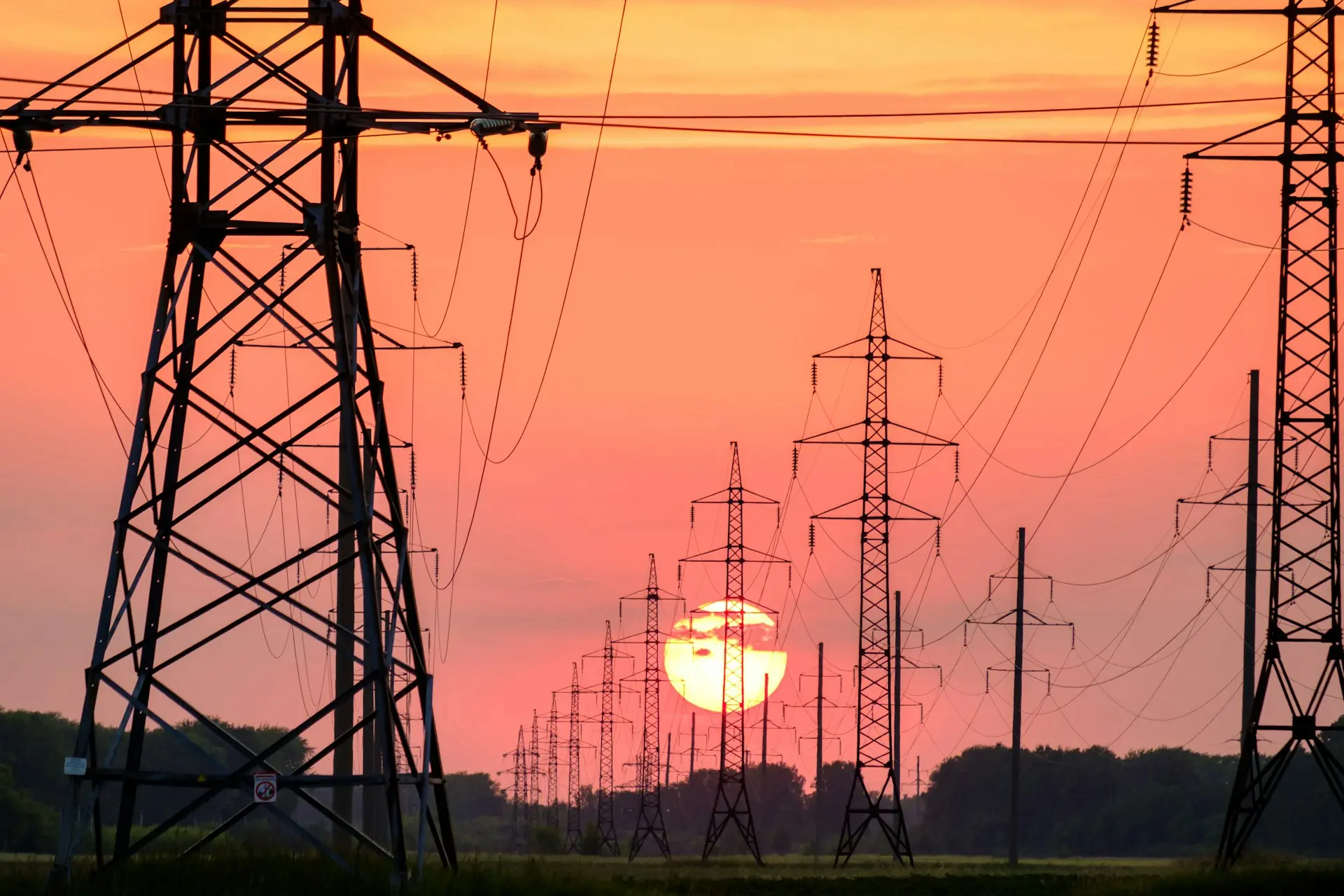
The largest uncontrolled cost in industrial production - and the decision it forces
When energy costs invert your production economics, reactive decisions become defensive ones. This post examines how industrial leaders move from "reactive purchasing" to "managed exposure" by building a shared decision architecture that links market signals to operational reality.



Managing three volatile inputs at once - the procurement challenge for textile manufacturers
In a market where natural and synthetic fibre prices diverge, local procurement wins can still lead to global margin losses. We explore the necessity of a shared decision basis between procurement and sales to ensure that forward contracts remain profitable across your entire input stack.

Cocoa, palm oil, and the problem with reacting to prices that already moved
The 2024 cocoa surge wasn't a surprise—the signals were there months in advance. Learn why the real failure wasn't a lack of data, but a rigid procurement cycle that couldn't act on it. Discover how to build a decision framework that moves faster than the market.

When your input cost stack has five moving parts - the decision problem in specialty chemicals
When feedstock, energy, and freight all move in different directions, local decisions can destroy global margins. We explore how specialty chemical manufacturers can bridge the gap between sophisticated analysis and integrated action to protect their bottom line.
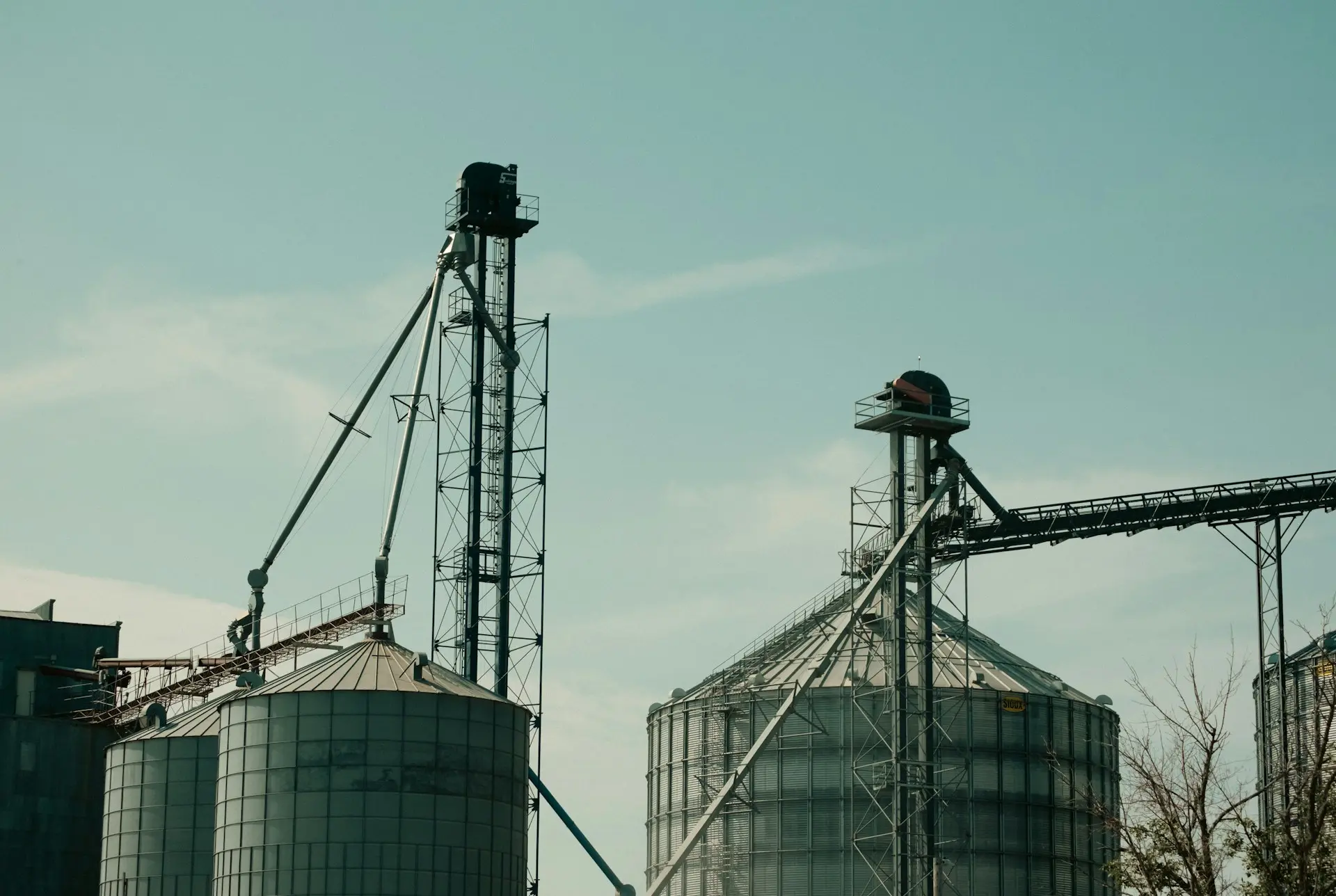
Glyphosate and the confidence problem - how a price collapse changed procurement decisions
In a market defined by structural volatility, reactive purchasing is a risk. We examine the lessons learned from recent glyphosate price shocks and explain how to shift from "predicting the turn" to managing exposure through documented evidence and clear decision thresholds.
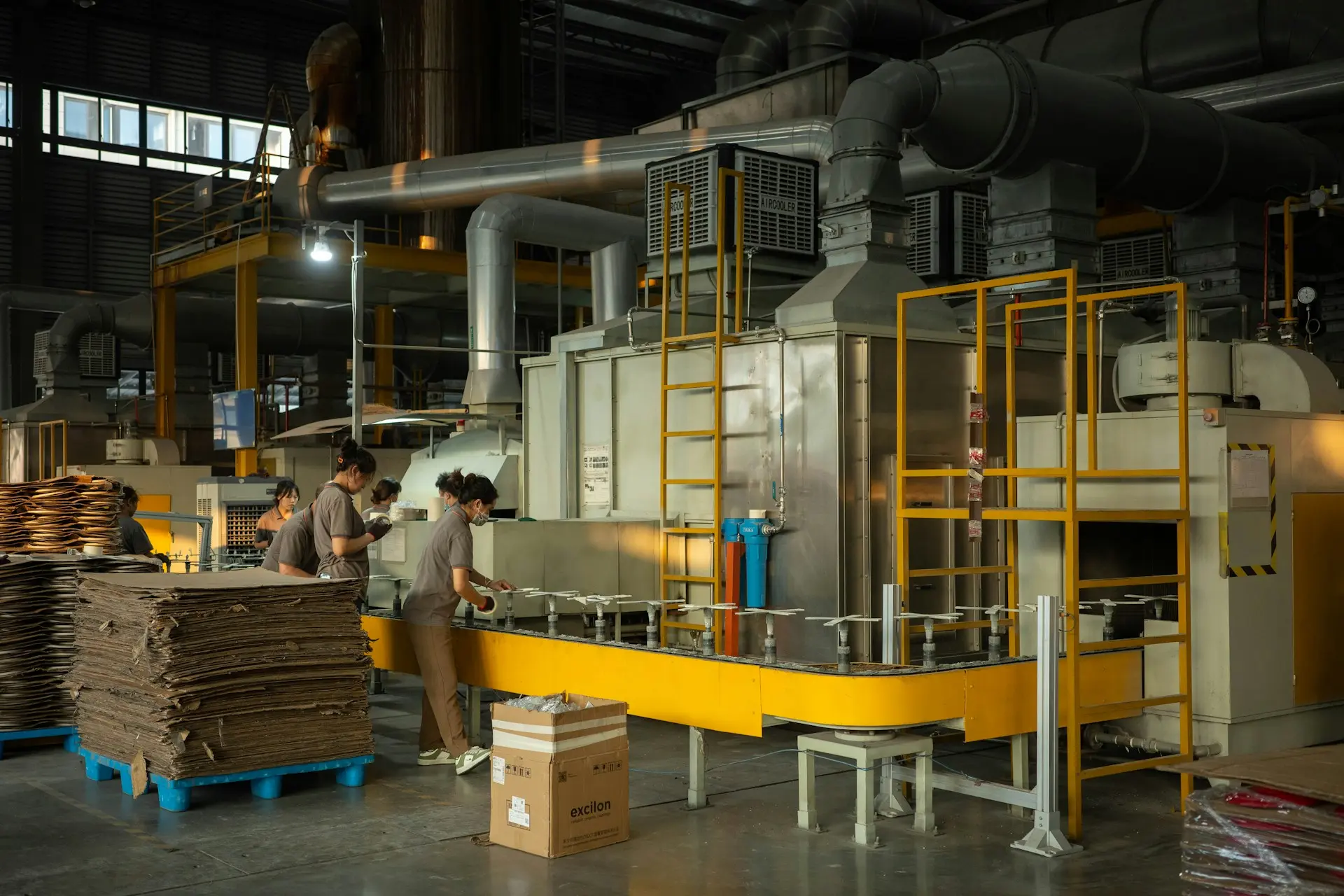

The double exposure problem in fertiliser — when input costs and selling prices both move against you
Most businesses manage one volatile variable; fertiliser producers manage two. When natural gas costs and urea selling prices move in opposite directions, traditional hedging isn't enough. Discover how to build a decision-making framework that keeps your margins protected before the window of opportunity closes.